The world’s museums are full of scandals and secrets. John Singer Sargent’s portrait of Virginie Amélie Avegno Gautreau, known simply as Madame X, is a great example. When it
was unveiled at the 1884 Paris Salon, it caused such a scandal that Sargent’s career was almost destroyed. Who after all would want to hire a portrait-painter who caused scandals at the Salon? It was also damaging, of course, for Gautreau’s reputation as a society beauty. Her family begged Sargent to withdraw the painting from the Salon, but he refused. After the Salon, however, he repainted the detail that had caused the biggest scandal. (more…)
It seems unbelievably dated, but people are still calling ambitious, intelligent women “nasty women.” As if that could hurt anyone’s feelings in 2020! In fact, like many other outdated insults, it has the opposite effect. Many women today are are taking the term on (as lesbians took on the term ‘dyke’) and calling themselves “nasty women” in sarcastic protest. (more…)
Lady Cavendish of the Devonshire clan pronounced one of their kind to be “a woman of notorious, shameless character.” The memoir of another was said to be a “list of dirty laundry.” In sixteenth century Venice, Sumptuary Laws forbade them from flaunting in public the gold, silver, silks, and gemstones that were the spoils of their sorcery. Nor were they allowed to “stand, kneel, or sit on the benches that in the church are occupied by noblewomen … taking care not to give offence to other decent persons.” (more…)
Imperia Cognati (also called Imperia La Divina, meaning Imperia The Divine, or The Queen of Courtesans, 3 August 1486 – 15 August 1512), was a Roman courtesan. She has been considered the first celebrity of the class of courtesans, which was created in Rome in the late 15th century. (more…)
One of the fun things to look at in the Metropolitan museum is the way artists portray women’s breasts—because while you might imagine that the modern obsession with large breasts is universal, in fact ideal breasts vary from cultural moment to cultural moment. In particular, it is pretty clear that the Renaissance favored small breasts. The corsets in fashion at that time created an upper body shape similar to the shape of a man’s chest in armor. It seems the women’s corsets squashed their breasts out sideways to create this effect. And Renaissance nudes’ breasts are influenced by the way women looked when clothed: their breasts are not large, sit low on the chest, and are quite far apart. In the 18th and 19th centuries, by contrast, women’s breasts reflect a different kind of corset: they are larger, higher, and closer together.
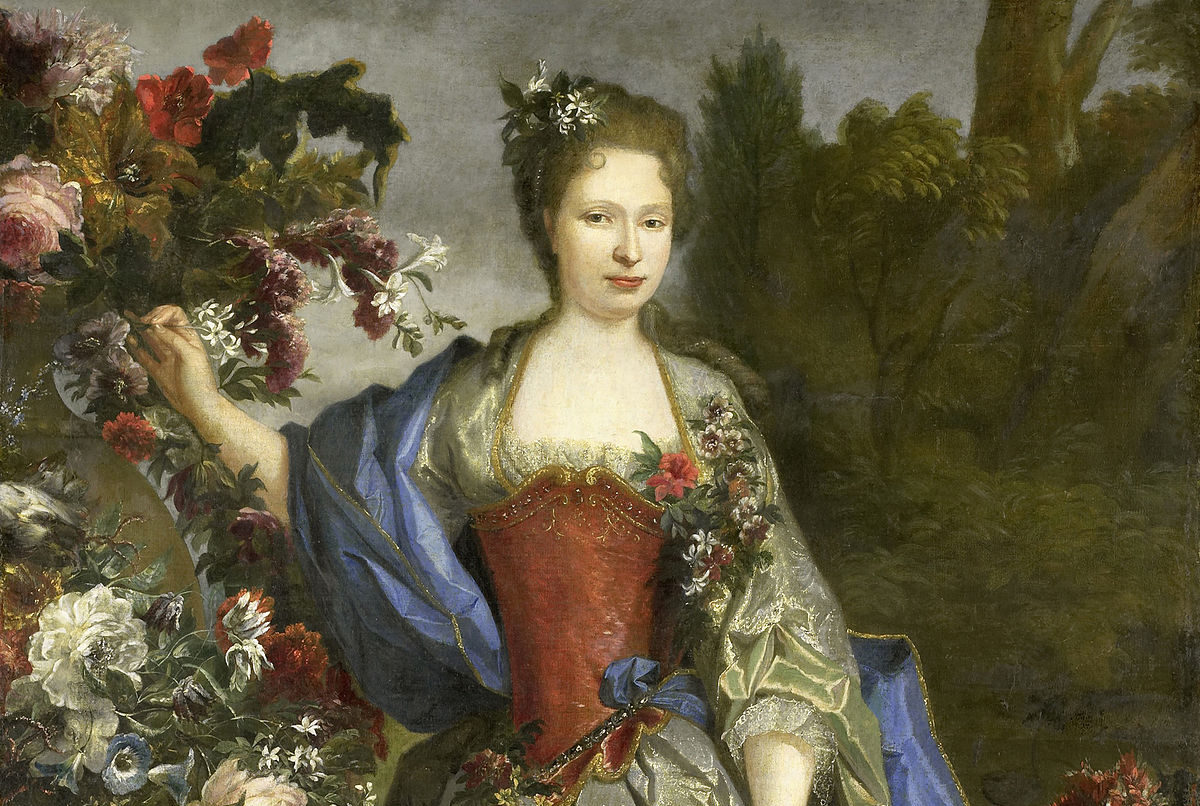
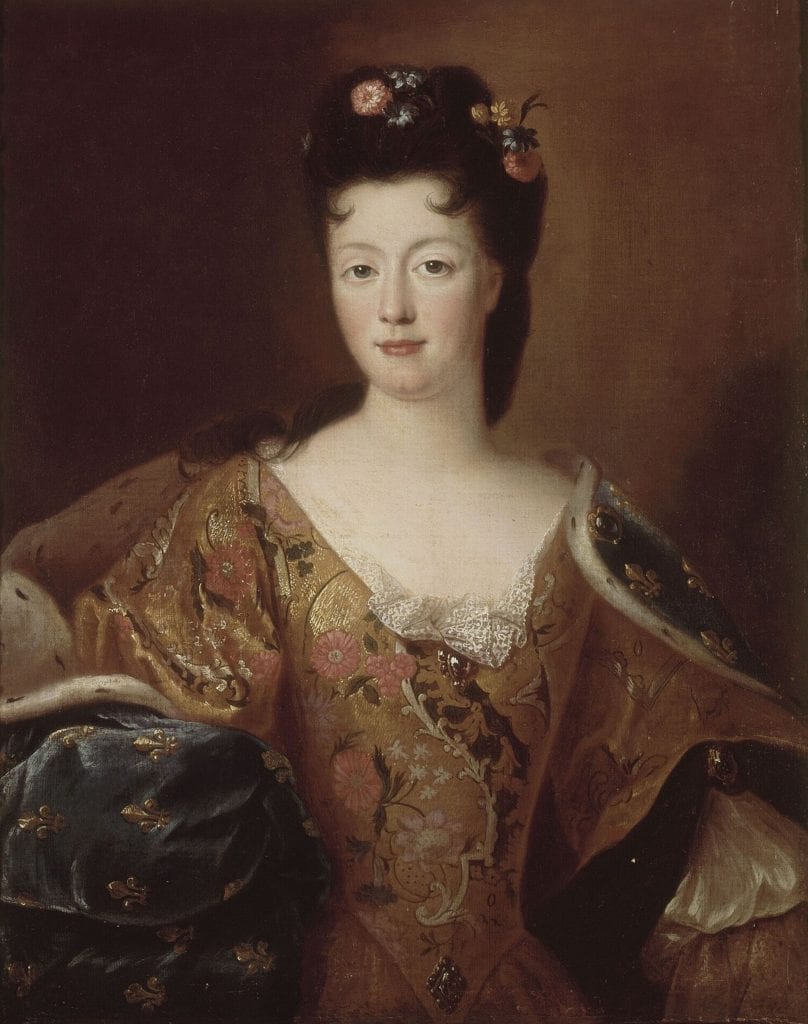
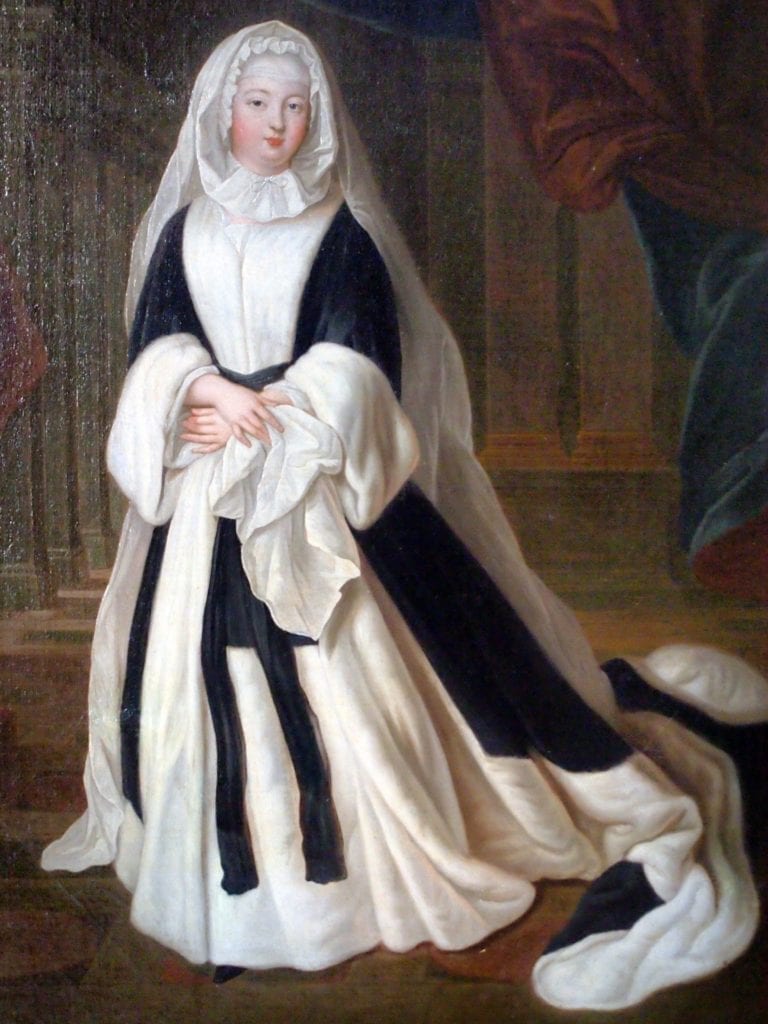
The scandalous Duchess of Berry was born as Marie Louise Élisabeth d’Orleans on 20 August 1695 at the Palace of Versailles to Philippe II, Duke of Orléans and Françoise-Marie de Bourbon, who was a legitimized daughter of Louis XIV of France.
She was near death several times in her young life. At the age of six, she suffered a near-fatal illness, and her father himself nursed her day and night to save her. At the age of ten, she caught smallpox, and she was presumed dead for over six hours.
At the age of 15, it was decided that she should marry Charles, Duke of Berry, who was the youngest son of the Grand Dauphin. The marriage took place on 6 July 1710 at the Palace of Versailles. The following year the new Duchess of Berry gave birth at the Palace of Fontainebleau to a baby girl. She lived for only two days. This death was blamed on the King who had made the Duchess travel with the court to the Palace of Fontainebleau. The barge the Duchesss was traveling in hit a pier and nearly sank. Apparently, the Duchess almost died.
On 26 March 1713, she gave birth to her second child, a son. He was given the title Duke of Alençon, but he died just three months later after an attack of convulsions.
By the end of that year, rumours flew around that the Duke of Berry had taken a mistress and in turn, the Duchess also took a lover.
When it became public knowledge, the Duke threatened to send her to a convent, and it’s even recorded that he kicked her in public.
Apparently she intended to flee with her lover, but fortunately for her, her husband died suddenly on 5 May 1714 after a hunting accident. She was pregnant at the time, either by her husband or her lover. She gave birth on 16 June 1714 to a daughter who died the next day.
By 1716 the Dowager Duchess was known for her balls. She claimed to be ill that year, officially with a bad cold. She gave birth to a girl, who only lived for three days.
If she intended to keep this pregnancy a secret she had no luck, as it was soon public knowledge and ridiculed.
Another pregnancy was rumored in 1717 as she was hiding in her Château de la Muette. The pregnancy was openly mocked:
Very big with child The fruitful Berry Said in a humble posture Very sorry at heart : Lord, I will no longer have such lusty ways I only want Rions, Sometimes my dad, Here and there, my guards.
Voltaire even wrote a play about the situation and the presence of the Duchess at the premiere added to its success. She was visibly pregnant, suggesting poor judgment! She gave birth to a baby girl in July 1717. This daughter appears to have survived to adulthood. According to one writer she became a nun.
She gave birth to another baby girl on 2 April 1719 after an excruciating labor of four days. The child was stillborn. The father was rumored to be her lieutenant of the guards. She nearly died giving birth, and during the crisis, she was refused absolution and the sacraments unless she removed her lover from the palace. After the crisis was over the Duchess secretly married this lieutenant, Sicaire Antonin Armand Auguste Nicolas d’Aydie, perhaps hoping to lessen the scandal.
Though her health had not fully recovered from the childbirth, she gave a reception in honor of her father. She apparently caught a chill that exacerbated her condition. She died on 21 July 1719, still only 23 years old.
An autopsy revealed that the Duchess was again pregnant. She is buried in the Basilica of Saint-Denis.
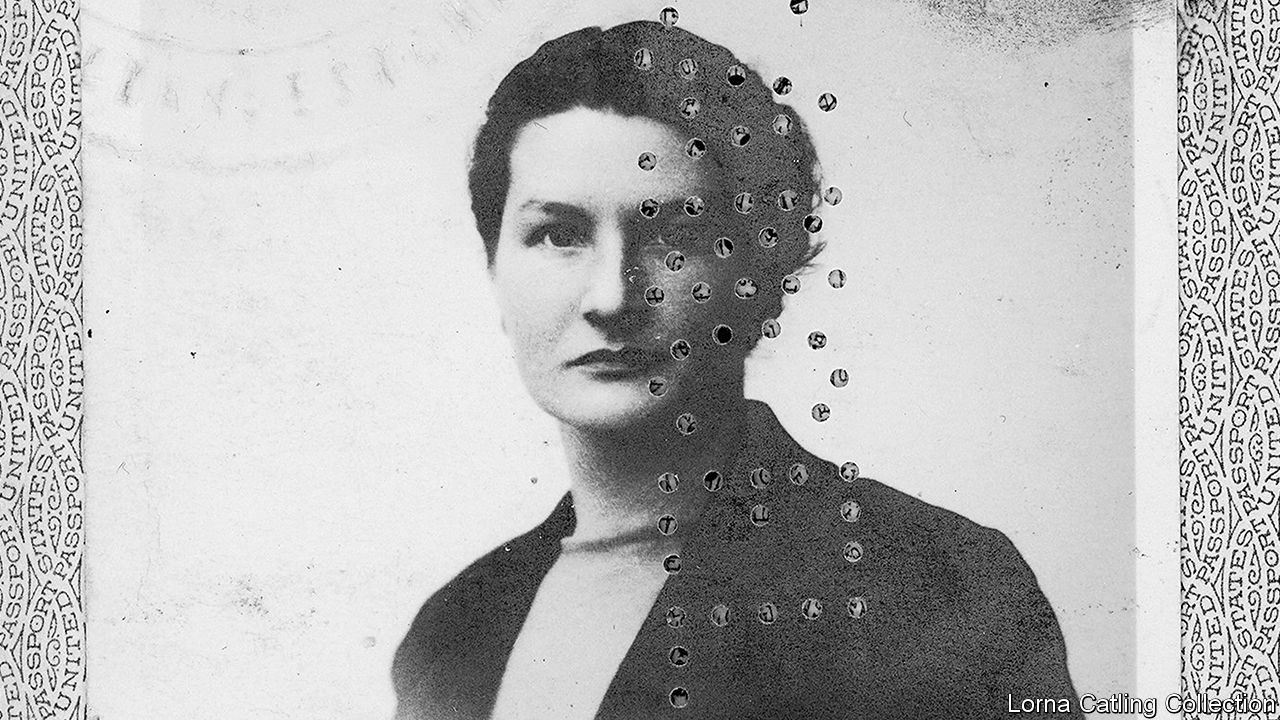
Virginia Hall, a one-legged socialite from Baltimore whom the CIA Museum would later hail as the office’s most successful American female spy of the Second World War. She was the most highly decorated female civilian during World War II. Watch and learn more about this heroic woman of history!
Virginia Hall, a one-legged socialite from Baltimore whom the CIA Museum would later hail as the office’s most successful American female spy of the Second World War. She was the most highly decorated female civilian during World War II. Watch and learn more about this heroic woman of history!
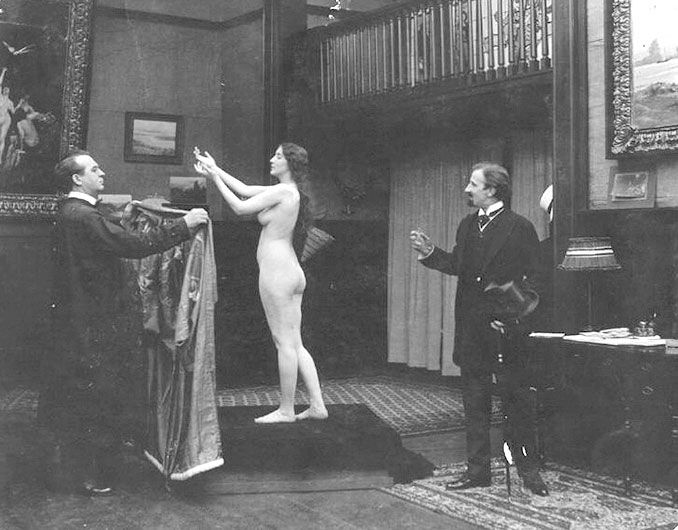
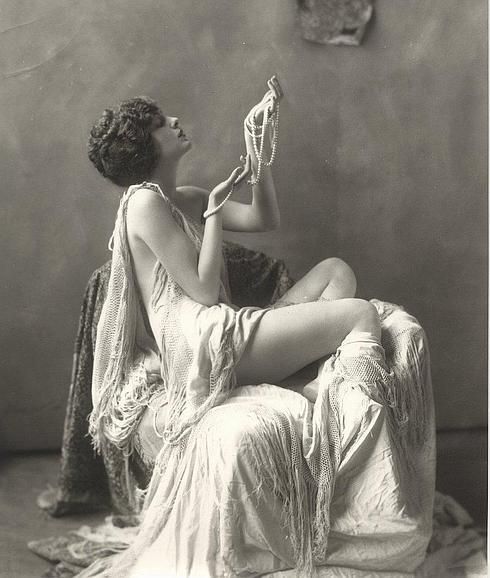
Not many people know Audrey Munson by name—but if you’ve spent any time in New York City, you’ve seen her face. Munson’s likeness tops some of the city’s grandest buildings. Even when she is remembered, it’s often for the more scandalous and tragic events in her life (controversy around her nude modeling; struggles with depression) rather than her essential role in the creative process, and her work as an advocate for the rights of creative women.
Not many people know Audrey Munson by name—but if you’ve spent any time in New York City, you’ve seen her face. Munson’s likeness tops some of the city’s grandest buildings. Even when she is remembered, it’s often for the more scandalous and tragic events in her life (controversy around her nude modeling; struggles with depression) rather than her essential role in the creative process, and her work as an advocate for the rights of creative women.
You can still see the image of Audrey Munson in museums from Hartford to San Francisco.
A statue of her, America’s first supermodel, presides over Sleepy Hollow Cemetery in Concord, Mass. She holds a Bible as Evangeline in the Longfellow Memorial in Cambridge, Mass.
Audrey Munson as Walking Liberty
She was even in mass circulation for decades as the model for the Walking Liberty Half Dollar.
People who saw Audrey Munson everywhere in New York nicknamed her ‘Miss Manhattan.’
Audrey appears atop the Municipal Building, at the entrance to the Manhattan Bridge and on the Pulitzer Fountain in front of the Plaza. source
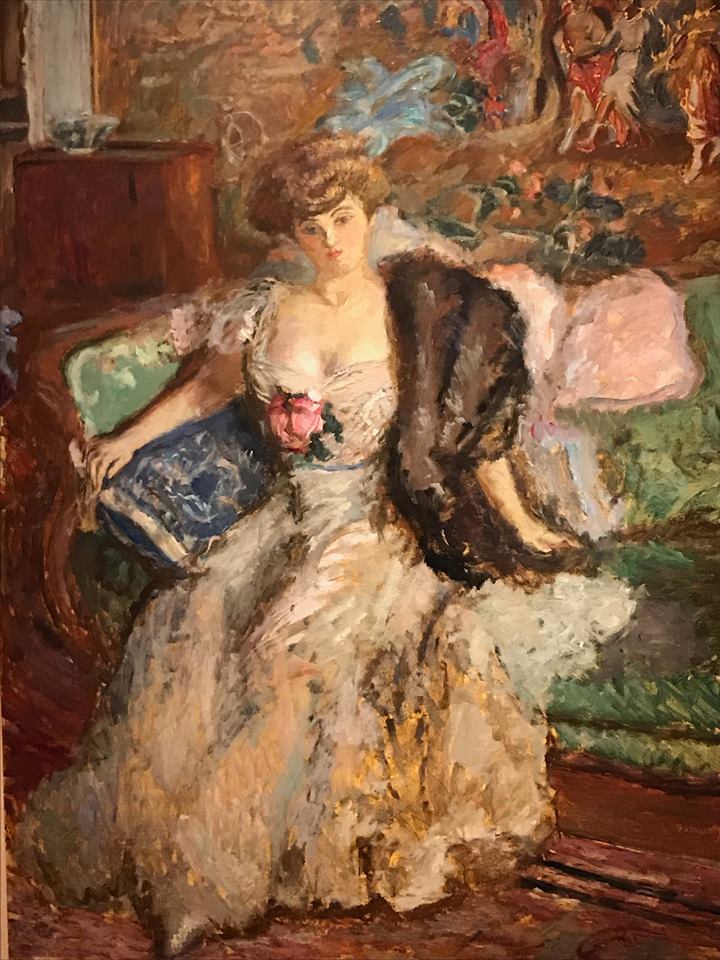
Misia Sert was an accomplished pianist–a student of Fauré’s, who helped her support herself by referring students to her, she also famously accompanied Caruso at parties when he sang Neapolitan songs.
But she was most famous as a salonnière, one of the women who ran Paris’ artistic and literary worlds from the 17th through the mid-20th centuries. And in this case, what a salon she had. Over her lifetime, regular attendees included Proust, Gide, Monet, Renoir, Toulouse-Lautrec, Bonnard, Débussy, Ravel, Satie. Ravel dedicated pieces to her, and many of the painters did portraits of her, such as this one by Bonnard. Oh, and she was especially close friends with Diaghilev (of the Ballets Russes) and Coco Chanel!
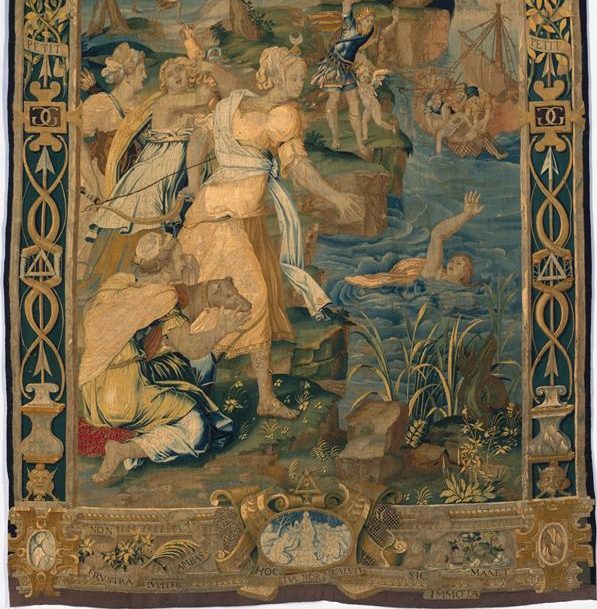
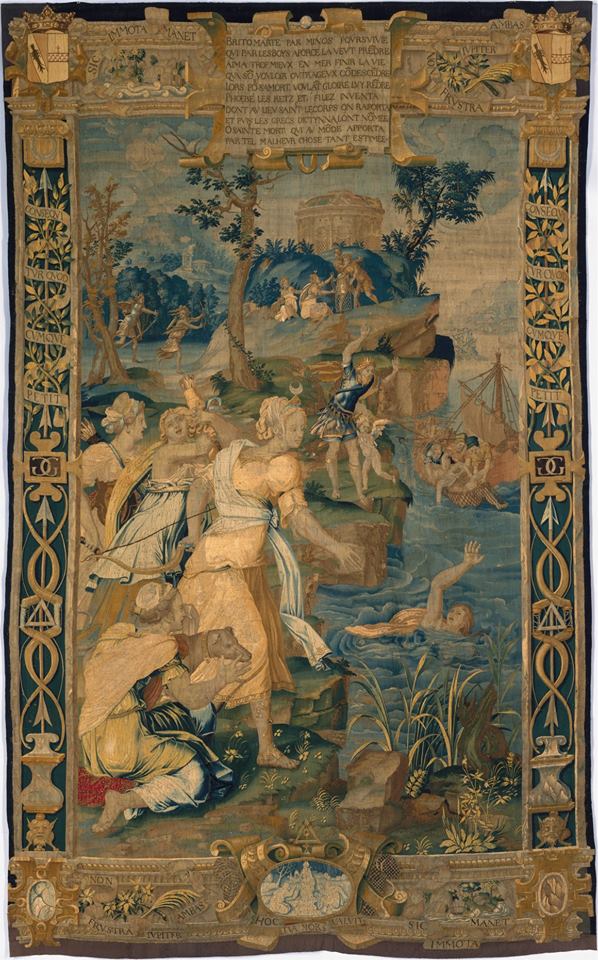
Diane de Poitiers, represented on this wall hanging as the goddess Diana, was so powerful in France when she was the mistress of King Henri II that they often signed his correspondence with one word: HENRIDIANE. Find out more about powerful women in history on the Nasty Women tour!